
Maximizing Profits with Forex Trading Signals: A Comprehensive Guide
Forex trading signals are a valuable tool for traders seeking to optimize their trading strategies and achieve better results in the foreign exchange market. With the right signals and analysis, even novice traders can make informed decisions about when to enter or exit a trade. In this comprehensive guide, we will explore what forex trading signals are, how to use them effectively, and the best practices to follow to maximize your trading success. Discover more about trading platforms at forex trading signals Trading Platform TH.
Understanding Forex Trading Signals
Forex trading signals are indicators that suggest potential opportunities for buying or selling currency pairs. These signals are often generated by experienced traders or specialized algorithms that analyze market data, trends, and price patterns. They can be delivered in various forms, including SMS alerts, email notifications, or through dedicated trading platforms. Understanding the different types of forex signals is essential for any trader looking to make profitable trades.
Types of Forex Trading Signals
There are two primary types of forex trading signals: fundamental signals and technical signals.
Fundamental Signals
Fundamental signals are based on economic indicators and news events that can impact currency valuations. These signals require a trader to monitor various economic factors, such as interest rates, inflation rates, and geopolitical events. Economic calendars and news feeds are often utilized to stay updated on crucial announcements that can influence currency pair movements.
Technical Signals
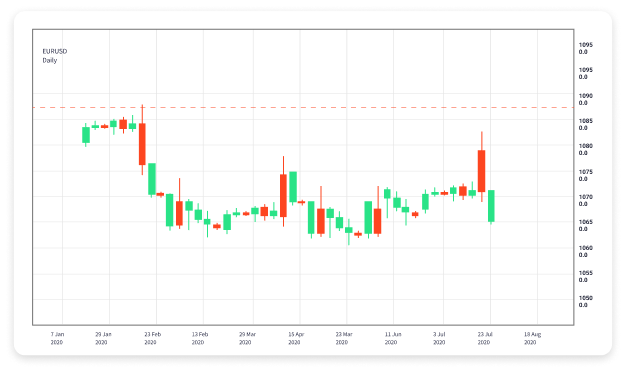
Technical signals, on the other hand, are derived from technical analysis. Traders apply various indicators, charts, and patterns to historical price data to predict future price movements. Common indicators used in technical analysis include Moving Averages, Relative Strength Index (RSI), Bollinger Bands, and Fibonacci retracements. Online trading platforms often provide tools that allow traders to analyze these indicators effectively.
The Benefits of Using Forex Trading Signals
Incorporating forex trading signals into your trading strategy can offer various benefits:
- Timely Information: Trading signals provide up-to-date information that can help you make quick decisions in the fast-paced forex market.
- Reduced Emotional Trading: By relying on signals rather than emotions, traders can minimize fear and greed, which are common factors that lead to poor decision-making.
- Improved Risk Management: Many signals come with recommended stop-loss and take-profit levels, helping traders manage their risks effectively.
- Learning Opportunities: Following signals from experienced traders can provide valuable insights into market behavior and help improve your trading skills over time.
Choosing the Right Forex Trading Signal Provider
Not all forex trading signal providers are created equal. When selecting a provider, consider the following factors:
1. Track Record
Research the provider’s historical performance to gauge the accuracy and reliability of their signals. Look for transparent results and reviews from other traders.
2. Quality of Analysis
Examine the provider’s analysis methods. Are they based on sound fundamentals and technical principles? Quality signals should be well-researched and not just based on gut feelings.
3. Delivery Method
Choose a provider that delivers signals in a format you are comfortable with, whether it’s via email, SMS, or through a dedicated app.
4. Cost
Some signal services are free, while others charge monthly subscriptions. Assess whether the cost aligns with the value you believe you will receive from the service.
Best Practices for Using Forex Trading Signals
To maximize the effectiveness of forex trading signals, follow these best practices:
1. Combine Signals with Personal Analysis
While signals can offer valuable insights, always conduct your analysis. Use signals as a supplement to your research rather than the sole basis for your trading decisions.
2. Manage Your Expectations
Understand that no signal is infallible. Occasional losses are a part of trading, and it’s crucial to manage your expectations and stick to your trading plan.
3. Keep a Trading Journal
Maintaining a trading journal can help you track your performance and the effectiveness of the signals you follow. Analyze your trades to identify what works best for you.
4. Continuous Learning
The forex market is dynamic and ever-evolving. Continuously educate yourself on market trends, technical analysis, and trading strategies to stay ahead.
Conclusion
Forex trading signals can be a powerful tool for both novice and experienced traders. By understanding the types of signals, benefits, and best practices for usage, you can significantly enhance your trading experience and potentially increase your profits. Remember, the forex market requires diligence, discipline, and continuous learning. Stay informed, choose the right signal providers, and trade wisely.